
Professionalism in the early childhood classroom means much more than simply arriving at work on time. To earn your Child Development Associate credential, mastering your portfolio is essential, especially when looking for reliable cda competency statement 6 examples to guide your writing. This final reflective statement shows your dedicated role in child development, ethical standards, and commitment to the field. By detailing your plans for continued training and ethics, you prove your readiness to lead.
CDA competency statement 6 examples show you the best way to learn how to write about your own professional growth and ethics. This reflective statement asks you to share your commitment to the field, your plans for more school, and how you protect privacy at work. You must stay under a 500-word limit while showing signs of a professional like work ethic, reliability, and neat dress. According to the Virtual Lab School, this section of your portfolio should clearly explain why you chose to work with young children. By using high-quality examples, you can show the CDA Council that you are ready to lead and help your local school improve every single day.
Ready to master your portfolio? Schedule a free consultation with a CDA advisor or call us at (269) 444-6128 today to fast-track your CDA credential!
You likely have many questions about how to structure this part of your portfolio. We will look at the specific rules and themes found in this section. The path starts as you learn What is CDA Competency Statement 6 and Why Does It Matter?
What is CDA Competency Statement 6 and Why Does It Matter?
CDA Competency Statement 6 is the final reflective essay in your CDA professional portfolio, demonstrating your commitment to early childhood professionalism, ethical conduct, and lifelong learning. It is a critical piece reviewed during the Verification Visit, showing the Council for Professional Recognition that you are ready to lead classrooms.
As the final piece of your portfolio, this statement acts as a brief look at your career path. You must keep your writing short, clear, and direct. The statement should be no more than 500 words in total. It is your opportunity to synthesize your practical experience and present a professional image to your Professional Development Specialist. This section asks you to look at your own work and tell how you stay professional in your daily role. It is not just a writing task; it is a way to show that you are serious about your career in teaching young children and helping them thrive.
A Goal for Professional Growth
The main goal of this statement is to show your pledge to the field. You must explain why you chose to work with kids and how you plan to keep learning. True professionals never stop growing. They look for new ways to build their skills through training and classes. When you write this statement, you share your plan for professionalism throughout your career. This includes setting goals for your future and staying up to date on the best ways to teach in the classroom. Ensuring that every child gets a strong start. Your hard work sets the stage for a high-quality school where children can learn and grow each day.
CDA Competency Statement 6 Examples: The 3 Required Paragraphs
To write CDA Competency Statement 6, you must address three specific prompts: why you chose early childhood education. Your personal indicators of professionalism (including ethical practices and privacy), and your plan for continued professional development. Organizing your statement into these three clear paragraphs ensures you meet all CDA Council standards.
A strong early childhood portfolio needs a clear focus on your work as a teacher. Competency Statement 6 is the part where you show your growth. This section is one of six written pieces that you must include in your work. You must place this piece in your binder before your visit. The CDA Council sets specific rules for how to write this piece. You must follow a three-part plan to make sure you cover every area they want to see. Which helps the person who reviews your work see your love for the job right away.
The Structure of Your Reflective Essay
As shown in the Penn State Better Kid Care guide, this standard is all about your path. It proves you have a deep bond with the field. You should write about two or three main reasons why you stay in this role. Keep your sentences short and clear so the reader knows your true why. This structure is essential for compliance and readability during your verification review.
Paragraph 1: Why Did You Choose to Become an Early Childhood Professional?
The first paragraph of Competency Statement 6 requires you to reflect on your professional motivation, explaining why you chose to work with young children. This section should connect your personal passion for teaching to your broader goals, demonstrating a deep commitment to child development and family collaboration.
Writing your first paragraph for Competency Statement VI is about more than just listing facts. It is your chance to show the passion that brought you to this field. The Council for Professional Recognition asks you to think about why you chose to become an early childhood professional. This thought helps you connect your daily work to your bigger goals as a teacher. Sharing your story makes your thought unique and shows your deep interest in the growth of young children. Many teachers start their journey because they want to make a real impact on young lives. You might have a natural love for teaching or a desire to help children grow in a safe space.
Concrete Example for Paragraph 1
Here is a concrete, compliant example of what to write for this first paragraph.
I chose to become an early childhood professional because I believe the first five years of a child’s life are the most critical for their cognitive and social-emotional growth. After volunteering at a local childcare center, I saw firsthand how a safe, structured, and nurturing environment can transform a child’s confidence. My goal is to foster a love for learning in every child and build strong partnerships with families to support their growth.
When you share these reasons, you show your pledge to the field. Your own story is a key part of your portfolio and helps others see your heart for the work. Your choice to enter this field often comes from a wish to give children the best start in life. Choosing this path means you value top care and a good base for every child. Your drive comes from seeing the small wins children have every day. When you share your drive, you meet the rule for maintaining a commitment to professionalism.
Paragraph 2: What Do You Believe Are the Most Important Indicators of Professionalism?
The second paragraph focuses on your core professional indicators, such as work ethic, neat dress, punctuality, and protecting family and child privacy. These traits build trust with families and colleagues, proving that you maintain a reliable, respectful, and highly ethical environment in your early childhood facility.
Professionalism in early childhood care is about more than showing up on time. For your CDA portfolio requirements, you must list the traits you have. These traits show families and peers that you take your role seriously. Key signs of a professional include things like work ethic, dress, and attitude. When you show these traits every day, you build a strong bond of trust with the people you serve. A strong work ethic and being reliable are the base of a good career. Being reliable means you are there for the children when they need you. It also means you finish the tasks your center gives you.
The way you dress and act also matters. Wearing clean, safe clothes shows respect for your work. Keeping a positive tone helps create a calm place for children to learn. Keeping the privacy of children and families is a top duty. You must keep health facts and personal details safe. This is a core part of the standards set by the Council. When parents know you keep their data safe, they feel more at ease. This trust makes it easier to work as a team. It also shows you have the strength of character needed for this field.

Concrete Example for Paragraph 2
Review this practical, realistic example of how to draft this paragraph.
I believe the most critical indicators of professionalism are a strong work ethic, absolute reliability, and maintaining strict confidentiality regarding child and family information. In my classroom, I ensure all developmental and health records are stored securely, and I never discuss a child’s behavior in front of other parents. Being punctual and maintaining a positive, solution-oriented attitude during challenging times are key to building trust with families and my teaching team.
When you write this part of your statement, use real stories from your room. For example, you might write about how you keep child files in a locked spot. You could also talk about how you stay calm when a child has a hard time. These examples show your skills in a clear way. You are not just listing words; you are showing how you live out these values. This helps your portfolio stand out to the person who looks at it during your visit.
Stop stressing over your portfolio writing. Explore our 120-Hour Online CDA Training and use our AI-powered CDA Portfolio Assistant to finish your competency statements with confidence!
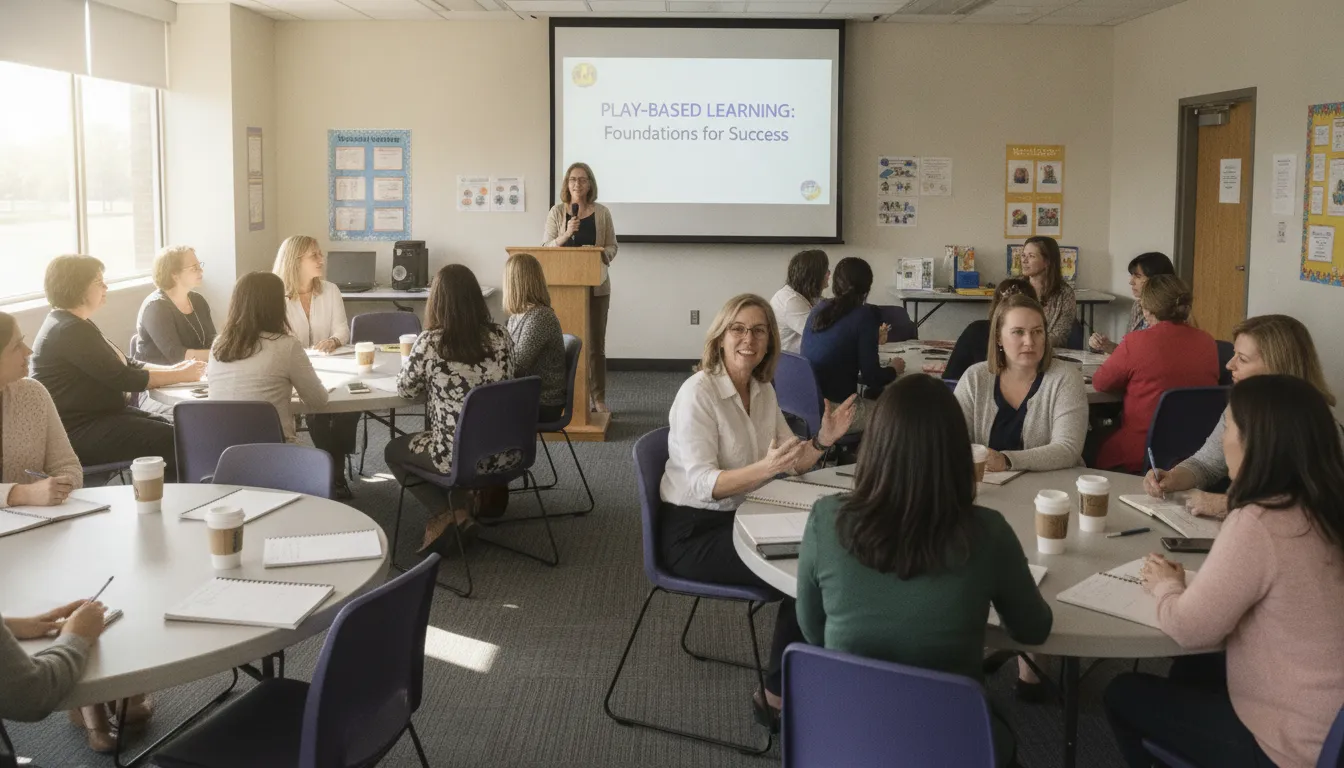
Paragraph 3: How Do You Engage in Continued Professional Development?
The third paragraph outlines your professional development plan, detailing how you keep your teaching skills sharp and stay up-to-date with new research. True early childhood professionals are lifelong learners who actively attend training, participate in workshops, and seek constructive feedback to improve their classroom practices. Since your CDA credential must be renewed every three years, it is important to plan how you will renew your CDA credential when the time comes.
The third part of your statement must show how you stay current in the field of early childhood education. This means explaining your plan for lifelong learning and growth. To write a strong response, you should list the specific ways you keep your skills sharp and how you stay up to date with new research. Professional growth starts with a clear plan. You should describe how you set goals to improve your teaching. For example, you might want to learn more about how to support children with diverse learning needs or how to improve your classroom layout. According to industry standards, describing how you engage in this development is a key part of your reflective statement. Setting these goals shows that you care about providing high quality care to every child.
You can also talk about how you look for feedback from your peers or supervisors. This helps you find areas where you can grow. When you write about your choice to enter this field, talk about how you plan to stay current with new skills. This mindset helps you keep giving the best help you can to the families in your care.
Concrete Example for Paragraph 3
This compliant draft displays how to frame your future growth plan.
To engage in continued professional development, I have established a clear goal to enhance my skills in supporting children with diverse learning needs. I actively attend monthly early childhood education workshops and read professional journals from organizations like the National Association for the Education of Young Children (NAEYC). I also plan to enroll in advanced ECE training to keep my instructional strategies fresh and evidence-based.
Think about how the things you learned in class changed how you act in the room. If you took a course on how to handle tough behavior, explain how you used those tips with your students. This links your learning to real-world action. Showing that you take advantage of learning opportunities helps you build a strong case for your credential. It shows that you are not just doing a job, but building a career based on best practices. Early childhood education changes as we learn more about how the brain grows. A professional must stay aware of these changes. You can mention that you read industry journals, follow expert blogs, or belong to professional groups. These habits help you make smart choices for the children in your care.
Comparing Professionalism Indicators Across CDA Settings
Early childhood professionalism manifests differently depending on your classroom setting, whether you work with infants, toddlers, or preschoolers. While core ethical values like confidentiality remain identical, your daily routines, communication with families, and classroom setup shift to support specific age-appropriate developmental milestones.
While the core values of the portfolio stay the same, your daily acts shift. For example, a preschool teacher may focus on clear speech to model language. An infant teacher uses gentle touch and soft tones. Both are professional acts that meet the needs of their specific group. In an infant-toddler room, professionalism means creating a safe space for growth. You must ensure all areas are clean and free of small risks. For preschool rooms, the focus moves toward helping kids be independent. You show professionalism by setting up learning spots that children can use on their own. This shows you know the growth stage of your students.
Your writing should show how you talk to parents. With infants, you likely share facts about naps, food, and diaper changes. This builds trust and keeps the child safe. In a preschool spot, your talks might focus on social skills or new things the child learned. Both roles need you to have a good mood and professional dress. The table below shows how common signs of professionalism appear in each setting.
| Indicator | Infant-Toddler Setting | Preschool Setting | Family Child Care Setting |
|---|---|---|---|
| Confidentiality | Keeping diapering, feeding, and medical logs secure and private. | Protecting child assessment files and social-emotional notes. | Securing family business records and personal details. |
| Reliability | Strict adherence to schedules to maintain safe staff-to-child ratios. | Consistent daily routines to support preschool transition periods. | Reliable operating hours for working neighborhood parents. |
| Health Promotion | Modeling hand hygiene during frequent diaper changes. | Teaching children proper handwashing and sanitizing habits. | Sanitizing multi-age toys and shared home-based learning spaces. |
| Work Ethic | Responding promptly and calmly to an infant’s distress cues. | Leading active small-group learning sessions with enthusiasm. | Balancing multi-age curriculums and administrative roles. |
No matter the setting, you must meet and exceed the goals set by your center. This includes a pledge to keep learning through the years. You can find more infant toddler CDA competency statement examples to help guide your writing. Good health habits must be shown to all families as required by CDA Council standards.
Key Tips for Polishing Your CDA Professional Portfolio
Polishing your CDA Professional Portfolio requires organizing your documents with clear tab dividers, typing your reflective statements, and reviewing all materials for grammatical accuracy. A clean, professional binder demonstrates your organizational skills and attention to detail during your CDA Verification Visit.
Your portfolio is a needed set of tools. It shows your skills and your goals as a teacher. It is a key part of your Verification Visit. You must make sure it looks its best. A neat portfolio shows that you care deeply about your work. It helps the person who reviews your work see your strengths as a skilled teacher.
To build a high-quality portfolio that stands out, follow these essential tips.
- Organize with labeled tabs: Use clear, durable tab dividers to separate your family questionnaires, competency statements, and resource collection, making it easy for the reviewer to find specific documents.
- Type and format cleanly: Always type your statements in a readable font (like Arial or Calibri, size 11 or 12) with double spacing to maintain a polished, highly professional look.
- Limit word count: Ensure each competency statement stays strictly under the 500-word limit as mandated by the Council. This forces you to focus on your core skills without unnecessary fluff.
- Proofread and refine: Have a peer or mentor review your writing to ensure your tone is authoritative, supportive, and clear. A clean binder shows that you value your career and the children in your care.
Frequently Asked Questions
How long should my CDA Competency Statement 6 be?
Your written reflective statement must be kept short and clear. According to the Council guidelines, this written piece should be no more than 500 words in total. This word limit helps you focus on the most important facts about your teaching work, motivation, and future learning plans. Neatly typed papers are best for your binder.
What are real examples of professionalism in early childhood education?
Professionalism in early childhood settings is shown through absolute reliability, punctuality, appropriate dress, a strong work ethic, and protecting family and child privacy. For example, keeping children’s medical and developmental records strictly confidential and participating in active team collaborations are key indicators.
Where can I find additional CDA Competency Statement examples?
You can find high-quality CDA Competency Statement examples and step-by-step portfolio guides directly on the National CDA Training website. Which offers tailored support and online training courses for preschool, infant-toddler, and family childcare settings. Check our comprehensive guides to help structure your writing.
What happens during the CDA Verification Visit?
During your Verification Visit, a Professional Development Specialist will review your complete CDA Professional Portfolio, observe you working with children in your classroom, and conduct a professional dialogue. Having your competency statements neatly organized is crucial for this visit.
Ready to Finish Your CDA Portfolio?
Delaying your competency statements can hold back your career for many months. If you start this work today, you can earn your credential much faster and move into better roles with higher pay. You will gain the skills you need to lead your classroom and help young children grow every day. Taking this step now means you can stop worrying about the paperwork and start focusing on your future as a lead teacher in early childhood education. Our team is here to help you get through each step of the process with ease and total clarity. You do not have to do this alone. Your portfolio is the key to proving your worth in this field.
Ready to take the next step in your early childhood career? Contact National CDA Training today or call us at (269) 444-6128 to speak with a dedicated CDA advisor and earn your credential faster!