
A childcare center is only as strong as the shared knowledge of its teaching staff. When every teacher follows the same high standards, the whole center thrives. This growth keeps your best teachers in their classrooms longer.
Interested in upskilling your team? Schedule a call to launch your Corporate Academy today and build a custom CDA training cohort for your staff.
CDA training for childcare center staff works best when your team learns as a group to build a culture of support and shared growth. This model makes meeting the 120-hour training rule much easier for everyone while improving the quality of care in every room at the center. According to National CDA Training, a group cohort helps staff earn credentials by giving them a clear and structured plan to follow. This team approach ensures that every teacher gets the help they need to finish their professional portfolios and prepare for the final visit and exam. For owners, this group method saves a great deal of time and keeps the training levels the same for every single teacher at the center.
Moving from separate plans to a group model changes how your center works. You may wonder Why Your Center Needs a Structured CDA Training Cohort to reach its best. This shift builds a stronger team and a better work space. The path begins with…
Cda Training For Childcare Center Staff: Why Your Center Needs a Structured CDA Training Cohort
A structured CDA training cohort helps childcare centers reduce teacher turnover, increase course completion rates, and foster a collaborative team culture. By learning together, educators support each other through the 120-hour requirement, ensuring your entire staff meets state licensing standards at the same time.
Running a childcare center is hard work. You need a team that is both skilled and loyal to your mission. Many directors find that solo training can feel lonely and slow for teachers. A structured cohort changes this by bringing your staff together in a shared space.
This group-based approach to CDA training for childcare center staff helps your team grow as one unit. It turns a long task into a clear goal that everyone works to reach together. Learning in a group creates a sense of belonging for every teacher on your staff.
Keep your best teachers
High turnover is a big problem for many early childhood centers today. When teachers feel stuck in their roles, they may look for other jobs. Career growth is a great way to keep your best people. Research shows that high-quality training programs help lower staff turnover.
By offering career growth for childcare staff, you show your team that you care about their path. This makes them more likely to stay at your center for a long time. A stable team is better for the kids and the center alike.
It reduces the cost of hiring and training new people every few months. When your staff sees that you invest in them, they invest back into your program. A cohort makes this growth visible to everyone. This creates a cycle of growth that helps everyone involved.
Finish training faster
Getting a certificate takes time and a lot of focus. To earn a CDA, staff must complete 120 hours of CDA training along with field work. Doing this alone at home can be very tough. But when teachers work in a group, they help each other keep going.
Studies find that structured learning cohorts lead to much higher completion rates than solo work. Peer support means no one gets left behind when the work gets busy. Groups also help with the hard parts of the process.
For example, staff can use tools to work on their files together. They can share ideas for their lesson plans and give each other feedback. This group work makes the 120 hours go by much faster. Peer support is the key to getting everyone to the finish line.
Build a better team culture
A cohort does more than just teach new skills. It builds deep trust among your staff. When teachers learn together, they start to talk more and help each other in the classroom. They learn to speak the same language when it comes to teaching kids.
This creates a better culture at your center. A happy team means a better place for children to learn and grow every day. A strong culture also helps you meet state rules for staff skills.
Using a cohort ensures that everyone meets these goals at once. It gives your center a great name for having a skilled and happy staff. Parents will notice the difference in how your team works together. You are building a team that works well and loves what they do.
Step-by-Step Guide to Planning and Launching Your Cohort
To plan and launch a successful CDA training cohort, first identify interested staff members. Next, partner with an on-demand, scenario-based training provider like National CDA Training. Finally, use a central dashboard like the Corporate Academy Suite to track progress and guide teachers through their portfolio and exams.
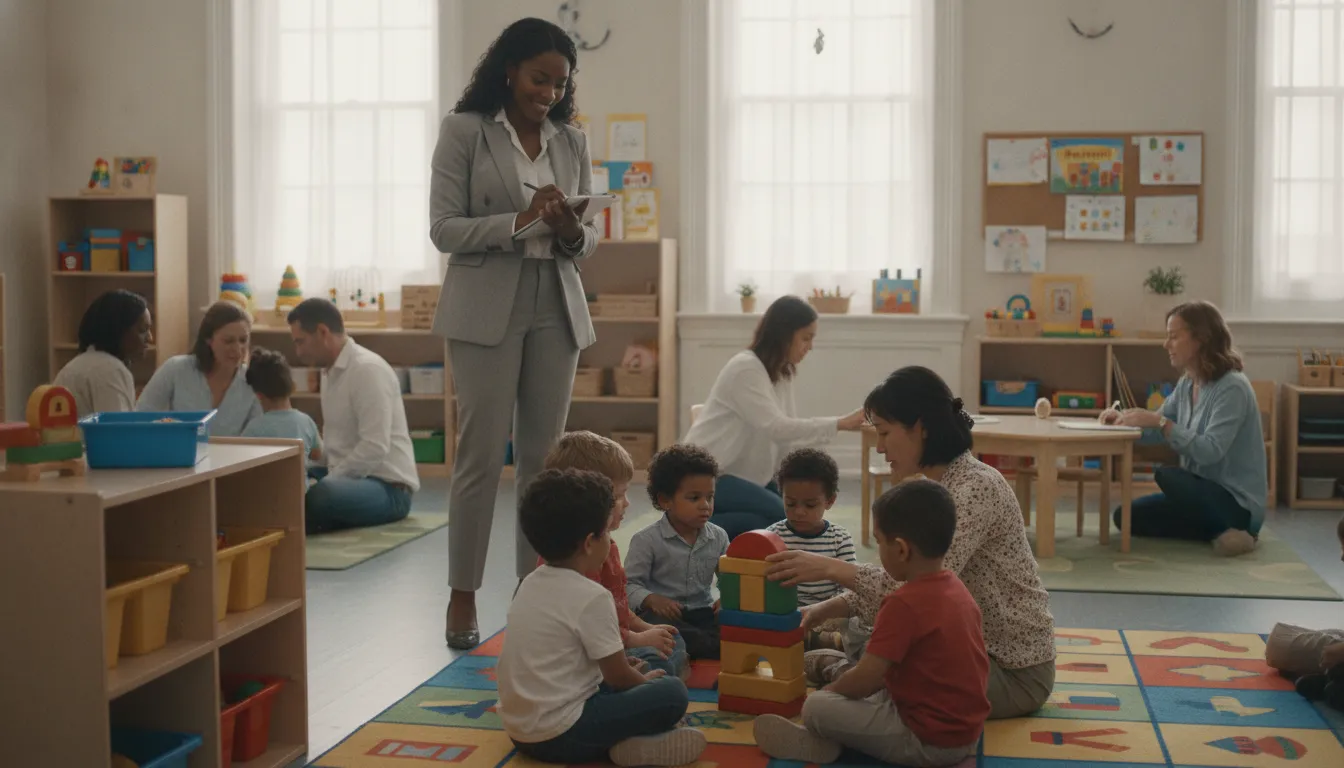
Planning a group helps your team grow as one. Many leaders use this model to manage CDA training for childcare center staff. It builds a shared goal and keeps the whole team on track. High care standards help ensure your center gives the best care to children. A group makes it easier for teachers to support each other while they learn. It also helps you meet state rules with less stress.
Find the right staff
First, look at your team to see who needs their CDA. You may have new hires or long-term staff who want to move up. Earning a Child Development Associate (CDA) is a big step for any teacher. It shows they have the skills to lead a classroom. Ask your staff who is ready to start their 480 hours of field work. Finding people who want to learn will make the group strong. This step ensures you have a team that wants to grow.
Pick a strong partner
Next, you need a training plan that fits a busy day. Most staff need 120-hour CDA training that they can do at any time. National CDA Training uses scenario-based lessons. This helps teachers learn how to react to real classroom issues. Instead of just reading, they practice what to do. This type of learning sticks better and helps your center thrive. A good partner will also give you tools to see how each person is doing. This keeps the whole group moving ahead at the same pace.
Launch and track progress
Once you have a plan, it is time to start. Host a short meeting to explain the goals. Make sure each person knows how to get help if they get stuck. You can use a Corporate Academy Suite to manage several seats at once. This tool lets you see progress in real time. Steady check-ins will keep your team on track. Use these steps to guide your team from the first day to their final exam.
- Pick your team members. Find 5 to 50 staff members who are ready to commit to their growth.
- Set a clear time. Most groups finish their training in about four to six months.
- Buy your training seats. Use a corporate plan to get flexible seats and bonus training for your entire staff.
- Host a start meeting. Explain the 120-hour rule and show them how to use the site.
- Pick a mentor. Find a lead teacher or coach to answer questions and check work on the portfolio.
- Use a tool for the portfolio. Help your staff build their digital CDA portfolio to save time and stay organized.
- Praise big wins. Give credit when a staff member finishes a module or hits their field hour goal.
What Are the CDA Training Requirements for Childcare Center Staff?
The CDA training requirements for childcare center staff include 120 hours of professional education across eight core areas, 480 hours of hands-on classroom work, and a Professional Portfolio. Candidates must also pass a verification visit by a PD Specialist and a written CDA exam.
Earning a Child Development Associate (CDA) credential is a key step for many early childhood teachers. This badge shows that you have the skills to give top-notch care.
For staff in a childcare center, the path involves three main parts. You need class time, work hours, and a big project called a portfolio.
Each part helps you grow as a teacher and prepares you for the final test. By meeting these goals, you show that you can lead a safe and happy classroom for young children.
The 120-Hour Professional Education Rule
The first big task is to finish 120 hours of training. This study time gives you the facts you need to work with kids.
You must learn about eight core areas. These cover topics from safety to how children grow.
You need at least 10 hours in each area to ensure you have a full set of skills. This helps you handle daily tasks and long-term goals in your center.
Many teachers find that 120-hour CDA training programs help them balance their busy jobs. If you work in a center, your director might use the Corporate Academy Suite to help your whole team learn together.
According to the U.S. Department of Health and Human Services, this training must be fresh. You need to have finished it within the last five years to apply for your credential. The eight areas you will study include:
- Setting up a safe and healthy learning space.
- Helping kids grow in body and mind.
- Helping social and emotional growth.
- Working well with families and parents.
- Running a good childcare program.
- Staying professional in the workplace.
- Watching and writing down how kids behave.
- Learning the basics of child growth.
Field Work and Hands-On Time
Book learning is just the start. You also need 480 hours of work experience.
For center-based staff, this must happen in a group setting. You must work with the age group you want to teach.
This could be infants and toddlers or preschool-aged children. This time in the classroom lets you use what you learned in your books.
It builds your confidence and helps you learn how to react when things get busy. You must have gained these hours within three years of sending in your form.
While you work, you will also build a Professional Portfolio. This is a set of your work and ideas.
It holds your teaching goals and your plans for the classroom. You will write six short essays about how you meet the core goals of the CDA.
You also need to gather items like lesson plans, emergency contact lists, and notes on child health. This portfolio shows the CDA Council that you are ready to be a lead teacher.
The Final Check and Exam
The last part of the process happens in person. You will meet with a Professional Development Specialist.
They will visit your center to watch you work. They want to see how you talk to the kids and how you manage the room.
They will also look at your portfolio and talk to you about your teaching choices. After the visit, you will take the CDA Exam.
This test covers all the areas you studied in your training. Passing these steps means you have met the high standards of National CDA Training and the CDA Council.
Online vs. Traditional CDA Training: Choosing the Right Pathway
While traditional CDA training involves rigid classroom schedules, online training offers 24/7 on-demand flexibility. Combining flexible online learning with a structured cohort model gives childcare teams the best of both worlds: convenient personal study times paired with peer support and clear director progress tracking.

When selecting the best CDA training for childcare center staff, directors must choose between two main routes. The first route is the traditional classroom. The second is the modern online program. Both paths can lead to the credential, but they offer very different experiences for working educators.
The Constraints of Traditional Classroom Pathways
Traditional teacher training usually takes place in physical classrooms. This path has rigid schedules and fixed locations. For busy early childhood teachers, this is often a major hurdle. Working educators must travel after a full shift to attend lectures. This schedule leaves little room for family or personal life. It can also cause scheduling conflicts for childcare center directors. If a teacher is stuck in traffic or a late class, center ratios may suffer.
The Advantages of On-Demand Online Training
Modern online CDA training programs offer a highly flexible alternative. Teachers can log in at any time from any device. This means they can complete their work when it is most convenient for them. Online training provides 24/7 access to materials, which is perfect for staff members balancing work schedules. This flexible pace makes earning a credential far more doable for working adults.
However, online training can feel isolated if done alone. That is why a cohort model is so valuable. When on-demand online learning is joined with structured cohort milestones, completion rates increase significantly for center staff. Group members can support each other, share study tips, and stay on track together.
Direct Comparison: Online vs. Traditional Pathways
To help you choose the best fit for your team, here is a breakdown of how the two training models compare across key areas:
| Feature. | Traditional Classroom. | On-Demand Online (Cohort). |
|---|---|---|
| Schedule Flexibility. | Rigid, fixed hours and locations. | Flexible, 24/7 access from anywhere. |
| Completion Speed. | Fixed semester timelines, often 9 to 12 months. | Self-paced, can be finished in 4 to 6 months. |
| Team Support. | Individual class attendance. | Peer support and shared milestone tracking. |
| Onboarding Integration. | Must wait for next course term to start. | Add new hires instantly to the active cohort. |
| Director Oversight. | No real-time tracking of staff progress. | Clear portal dashboards to monitor team hours. |
Finding the Sweet Spot for Childcare Teams
Choosing an online program does not mean your teachers have to learn alone. When directors use a team-based online platform, they get the best of both worlds. Teachers get the flexibility they need to do their work on their own time. At the same time, directors get the tools they need to track progress and keep the group moving forward. Placing your staff in a structured online cohort ensures they get high-quality instruction without disrupting your daily operations.
Frequently Asked Questions
What are the CDA training requirements for childcare center staff?
To get a CDA, staff must finish 120 hours of formal training. This training must cover eight core areas set by the Council. Workers also need 480 hours of work experience with children. Finally, they must pass a visit and a test. According to Brightwheel, this process proves a teacher can give high-quality care. A training cohort helps your team stay on track through each step.
How many hours of training are required for a CDA certificate?
Staff need at least 120 hours of training to get their certificate. You can find programs that use small parts called modules. These modules make it easier for busy teachers to finish their work. Many teams complete all 120 hours in four to six months. Research from Child Care Aware shows this is a fast path to the goal. A group setting keeps everyone moving at the same pace.
How does a CDA credential affect career levels in childcare?
A CDA helps workers move up on state career lists. In many states, this credential marks the first big step in a career path. When staff add college credits to their CDA, they can reach even higher levels. For example, Care Courses notes that a CDA plus three credits reaches Level 6 in Wisconsin. Higher career levels often lead to better pay and more responsibility at your center.
Can a childcare center owner require staff to obtain a CDA credential?
Yes, owners can set these standards for their own staff. Setting clear rules helps ensure that children get the best care possible. Some programs, like Head Start, already require assistant teachers to have a CDA or be in a program. When you build a cohort, you help your staff meet these requirements together. This reduces the cost of training new hires and builds a stronger team for the future.
Ready to build a CDA training cohort for your staff?
Building a CDA training cohort for your staff is the fastest way to upskill your team, satisfy state licensing requirements, and reduce employee turnover. Partnering with National CDA Training’s Corporate Academy Suite gives you full dashboard tracking and scenario-based courses designed to fit busy school schedules.
Waiting to start your team training goals often leads to staff leaving and license gaps that can hurt your childcare center. Each month you wait is one more month your teachers lack the skills they need to provide the best care for your students. Starting a cohort now through our corporate academy ensures your staff stays on track to earn their CDA while you build a stronger and more stable workplace for all. You can stop worrying about state rules and start growing your program by taking this first step today to support your teachers. By acting now, you set a clear path for work growth that helps your whole team and the parents you serve.
Ready to schedule a call? Call (269) 444-6128 to set up your corporate academy.