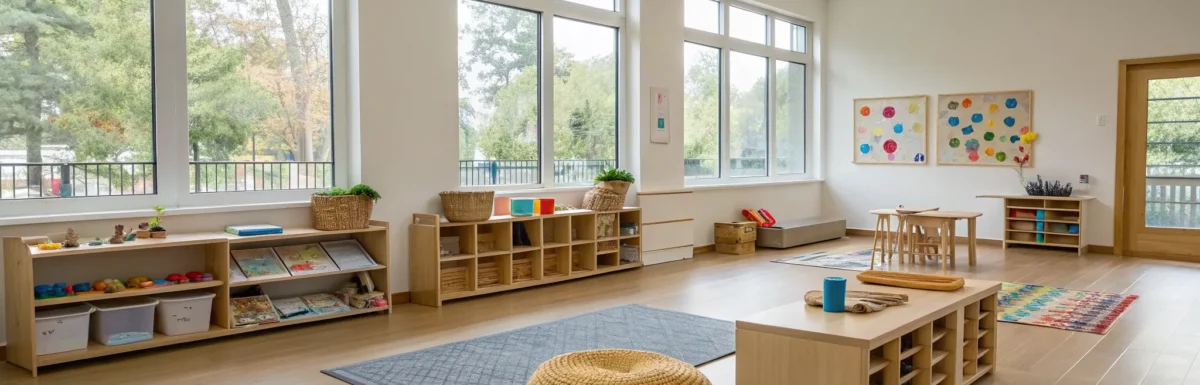
Before you can teach the alphabet or lead a single circle time, you must first build a sanctuary. This is the heart of your work as an early childhood educator and the core of the first and most foundational competency goal. It’s about creating a space where children feel so secure and so cared for that they are free to be curious, to make mistakes, and to grow. Mastering the CDA Competency Goal 1 learning environment is not just about passing an assessment; it’s about fulfilling the most important promise you make to children and their families. This guide will walk you through every essential piece, from physical safety checks and hygiene routines to building the emotional security that allows every child to flourish.
Key Takeaways
- Build a foundation of total safety: A secure classroom addresses more than just physical hazards; it also supports emotional well-being and health. You can achieve this by performing daily checks, establishing consistent hygiene routines, and creating a trusting atmosphere where every child feels valued.
- Design your classroom with purpose: Your room’s layout is a powerful teaching tool that can guide behavior and learning. Arrange furniture to create clear pathways, organize age-appropriate learning centers, and make materials accessible to encourage independence.
- Turn safety into a daily habit: Maintaining a secure environment is an ongoing commitment, not a one-time task. Integrate regular safety checks and environmental evaluations into your routine, and be prepared to document these practices for your CDA portfolio to demonstrate your professional dedication.
What is CDA Competency Goal 1?
CDA Competency Goal 1 is all about creating a learning environment that is safe, healthy, and nurturing for young children. This goal is the foundation of high-quality childcare because it sets the stage for everything else. It’s not just about following a checklist of rules; it’s about thoughtfully designing a space that protects children while promoting their overall well-being and development. Think of it as building the sturdy, supportive base upon which all effective learning and growth can happen. This goal guides you in creating that secure and welcoming atmosphere for every child in your care, covering everything from the physical classroom setup to the emotional climate you foster.
The Foundation of Quality Childcare
At its core, this first competency goal is about proving you can establish and maintain a safe and healthy learning environment. As the Virtual Lab School explains, the main objective is to show how you “create and keep a safe and healthy place for preschool children to learn.” This is the absolute bedrock of excellent childcare. When children feel physically and emotionally secure, they are free to explore, play, and absorb new information. Fulfilling this goal demonstrates your professional commitment to children’s well-being, which is a critical step on your journey to earning your CDA credential. It’s the first and most important promise you make to children and their families.
How Your Environment Shapes Child Development
Your classroom environment is so much more than just four walls; it’s a powerful tool that directly shapes how children learn. A well-designed space should make children “feel welcome and excited to explore different learning areas.” When you provide age-appropriate materials in organized centers, you empower children to learn through hands-on experience and build their independence. But the environment isn’t just about toys and tables. It also includes routines that support children’s physical health. For example, providing healthy meals that accommodate different dietary needs is a huge part of creating a space where children can focus and thrive. Every choice you make contributes to a setting that nurtures the whole child.
How to Create a Safe Learning Environment
Creating a safe learning environment is the cornerstone of effective early childhood education and a key part of CDA Competency Goal 1. It’s about building a space where children feel secure, valued, and free to explore. When children feel safe, they are more willing to engage in new activities and build positive relationships. This safety net has two crucial parts: physical safety, which protects children from harm, and emotional safety, which nurtures their well-being. Let’s walk through the practical steps to establish a classroom that is safe in every sense of the word.
Perform Daily Safety Checks
A safe classroom starts with a consistent routine. Before children arrive, scan the environment for potential hazards like uncovered outlets, broken toys, or choking hazards. Make sure harmful materials are securely locked away. Your vigilance should extend outdoors, too. The playground needs a daily inspection to ensure equipment is in good repair. Using a simple safety checklist can help you stay organized and ensure nothing gets missed. Documenting these checks is also great evidence for your CDA portfolio.
Set Up a Secure Classroom
The way you arrange your classroom has a huge impact on its safety. A well-designed space minimizes accidents and encourages positive interactions. Arrange furniture to create clear pathways, preventing trips, and keep shelves low and stable. Ensure all materials are suitable for the developmental stage of your children. A secure classroom is also a welcoming one. When you set up inviting and organized learning centers, you empower children to explore their interests, learn through play, and develop a sense of independence.
Prepare for Emergencies
While we hope for the best, we must always prepare for the unexpected. Having a clear emergency plan is non-negotiable. This starts with a well-stocked and accessible first aid kit. It also means practicing drills for situations like fires or tornadoes so everyone knows what to do. Modern safety preparedness goes further, including protocols for challenges like allergic reactions or bullying. Your role is to create a plan that keeps children physically safe while supporting their emotional security during a stressful event. The Centers for Disease Control and Prevention offers excellent resources for getting your program ready.
What Health and Hygiene Practices Matter Most?
A healthy classroom is a happy classroom. Keeping your learning environment clean and promoting good hygiene are non-negotiable parts of meeting CDA Competency Goal 1. It’s about so much more than just wiping down tables after a messy art project; it’s about creating a culture of wellness. These practices are the invisible foundation of a great learning space. When children feel safe and healthy, they are better able to learn, explore, and connect with their peers.
Establishing clear health and safety protocols builds a deep sense of trust with parents, who are leaving their most precious people in your care. It shows them you are professional, attentive, and deeply committed to their child’s well-being. Furthermore, consistent hygiene routines significantly reduce the spread of common illnesses. This means fewer sick days for children and staff, leading to more stable routines and uninterrupted learning. These daily habits don’t just prevent germs from spreading; they also teach children essential life skills and responsibility for their own bodies and their community. Let’s walk through the key practices you’ll need to master to create a healthy, safe, and thriving space for every child.
Establish Handwashing and Sanitation Routines
Great hygiene starts with clean hands. As an educator, you are the primary role model, so make a point of washing your hands the moment you arrive and frequently throughout the day. Your goal is to make handwashing an automatic and even fun part of the daily schedule for children. Teach them to wash their hands after playing outside, before and after every meal or snack, and after using the restroom. To make it stick, turn it into a game. Use posters with pictures of the steps or sing a simple 20-second song to ensure they are scrubbing thoroughly. These small, consistent actions build healthy habits that last a lifetime and are a cornerstone of the practical skills covered in our individual CDA training.
Manage Food Safety and Allergies
Snack and meal times require your full attention to safety, as this is a high-risk area for allergic reactions and illness. It’s critical to have a clear, visible system for managing food allergies. Post detailed information about each child’s specific allergies, including their name and photo, in all food preparation and serving areas. This visual reminder is a simple but powerful tool to prevent dangerous mix-ups. Always work closely with families to ensure you have safe, healthy, and nutritious meal options for every child, including those with dietary restrictions or preferences. Keeping children safe is your top priority, and having a solid, well-documented plan for food handling is a major part of that responsibility.
Create an Effective Cleaning Schedule
A clean environment is a productive learning environment, and it depends on a reliable cleaning schedule that your whole team understands and follows. High-touch surfaces like doorknobs, tables, and shared learning materials should be cleaned and sanitized daily. It’s also a great practice to have a designated bin for toys that children have put in their mouths so they can be promptly removed from play and cleaned before being returned. Placing hand sanitizer near tissue boxes and trash cans also encourages everyone to maintain good hygiene after sneezing or coughing. A consistent cleaning system is essential for maintaining a healthy center, a topic we cover in depth in our corporate CDA training for childcare programs.
How to Build an Emotionally Safe Space
A classroom can be physically safe, but if children don’t feel emotionally secure, their ability to learn and thrive is limited. Creating an emotionally safe space means building an atmosphere of trust, respect, and acceptance where every child feels valued. This isn’t just a nice-to-have; it’s a fundamental part of a child’s development and a key component of your CDA credential. When children feel safe to be themselves, they are more willing to explore, ask questions, and build positive relationships with you and their peers.
Build Trust and Security with Children
Trust is the bedrock of an emotionally safe classroom. When children trust you, they feel secure enough to take risks and learn from their mistakes. You can build this trust by being consistent in your words and actions, responding to their needs with warmth and empathy, and genuinely listening when they speak. Make eye contact, get down on their level, and validate their feelings. A positive and trusting environment helps children feel important and fosters a sense of belonging. This security allows them to focus on learning and developing healthy social skills, knowing they have a caring adult they can count on.
Create Predictable Routines and Expectations
Children thrive on predictability. Knowing what comes next in their day helps reduce anxiety and gives them a sense of control over their environment. Establishing clear and consistent routines creates a feeling of security that allows children to relax and engage in learning. Use visual schedules, sing a consistent clean-up song, and have a predictable sequence for activities like circle time and snacks. When expectations are clear and followed through consistently, children understand the boundaries and feel safer within them. These practices are a core part of our individual CDA training because they set the stage for a calm and productive day.
Support Healthy Emotional Expression
An emotionally safe space is one where all feelings are welcome, even the big, messy ones. Your role is to teach children how to express their emotions in healthy ways. You can start by helping them name their feelings: “It looks like you’re feeling sad that playtime is over.” Then, offer acceptable ways to cope, like squeezing a stress ball or taking a few deep breaths in a quiet corner. It’s vital to create a classroom culture where children feel free to make mistakes without fear of judgment. When you cultivate a safe space, you show children that it’s okay to be vulnerable and that you’re there to support them as they learn to manage their emotions.
How to Design a Space That Engages Every Child
A safe and healthy classroom is the starting point, but a truly effective learning environment is also one that captivates children’s attention and invites them to explore. When your space is thoughtfully designed, it becomes a silent partner in your teaching, encouraging curiosity, independence, and a genuine love for learning. This is about more than just decorating; it’s about strategically creating a setting where every child can thrive.
An engaging environment anticipates the needs of your children. It offers them choices, challenges them appropriately, and makes them feel like the space is truly theirs. By carefully selecting materials, designing for inclusivity, and keeping the layout flexible, you can build a classroom that works for you and your students. Mastering this skill is a huge part of earning your CDA credential because it shows you understand how a physical setting directly supports child development. It demonstrates your ability to move beyond basic supervision and create a rich, stimulating world that nurtures the whole child. Let’s look at how you can turn your classroom into a hub of active, joyful learning that meets professional standards and makes every day an adventure for your kids.
Choose Age-Appropriate Materials and Learning Centers
The foundation of an engaging classroom is filling it with the right stuff. This means choosing materials that are perfectly matched to the developmental stage of the children you teach. Each learning center should be stocked with age-appropriate items that encourage kids to learn by doing, which helps them become more independent. For example, a block center for preschoolers might have a variety of block shapes and sizes, while a toddler’s block area would have larger, simpler blocks. Setting up distinct centers, like a cozy reading nook, a creative art station, or a hands-on science table, allows children to make meaningful choices and dive deep into their interests.
Design for Diverse Developmental Needs
A welcoming classroom is an inclusive one. Your goal is to create a space where every single child, including those with special needs, feels a sense of belonging and is excited to participate. This means thinking about the physical layout, like ensuring pathways are wide enough for mobility aids, and also about the materials you provide. Offer books, dolls, and art supplies that reflect a variety of cultures and family structures. Provide activities that cater to different learning styles and abilities, so whether a child is an active builder or a quiet observer, there’s something for them. This approach ensures your classroom is a supportive environment for all learners, a key principle we emphasize in our corporate training solutions.
Create Flexible Spaces for Different Activities
The best learning environments are never static; they evolve with the children’s interests and needs. To keep kids engaged, you should change out the materials in your learning centers often. This simple act can reignite their curiosity and introduce them to new ideas. It’s also important to arrange your learning areas logically. For instance, separate quiet activities like reading from more active, noisy play like building with blocks. This helps minimize distractions and makes cleanup much smoother. A well-organized, flexible space allows for easy transitions and supports a calm, productive atmosphere where children can focus and learn. Documenting how you do this is a great addition to your CDA Portfolio Workbook.
How to Set Up Your Physical Environment for Learning
The way you arrange your classroom is one of the most powerful, non-verbal teaching tools you have. A thoughtfully designed space can encourage positive behavior, spark curiosity, and make your daily routines run much more smoothly. It’s not just about making the room look nice; it’s about creating a functional, welcoming environment where children feel secure and ready to learn. When your classroom is organized logically, it communicates expectations to children without you having to say a word. They learn where to find the blocks, where to put their art projects, and where they can find a quiet corner to read.
This kind of intentional design is a cornerstone of Competency Goal 1. It involves thinking through how children will move through the space, how they will interact with materials, and how you can keep them safe while they explore. By arranging furniture for good traffic flow, planning your indoor and outdoor areas with purpose, and ensuring everything is accessible, you build a foundation for effective learning. A well-organized environment reduces chaos, minimizes conflict, and gives you more time to focus on what really matters: connecting with and teaching the children in your care. Our Individual CDA Training program walks you through exactly how to master these environmental skills.
Arrange Furniture for Better Traffic Flow
Think of your classroom layout as a roadmap for little feet. You want to create clear, wide pathways that allow children to move freely without bumping into furniture or each other. A smart layout also separates different types of activities. Place quiet centers, like the reading nook or a puzzle table, away from loud, active areas like the block corner or dramatic play. This simple separation helps children focus and reduces distractions.
Consider the practical side of things, too. It makes sense to put messy activities like the art easel and water table near a sink for quick cleanups. When you arrange the room logically, you also create clear sightlines for yourself, making it easier to supervise all areas at once. This thoughtful arrangement is a key element you’ll document in your CDA Portfolio Workbook.
Plan Your Indoor and Outdoor Spaces
Your learning environment extends beyond the four walls of your classroom. The outdoor play area is just as important and requires the same level of intentional planning. Both spaces should be designed to be safe, engaging, and supportive of children’s development. This starts with performing daily safety checks before children arrive. Inside, look for things like uncovered electrical outlets, broken toys, or small items that could be choking hazards.
Outside, inspect the playground equipment for any damage, check for sharp objects on the ground, and make sure the area is secure. Treat your outdoor space as an extension of your classroom, filled with opportunities for gross motor development, sensory exploration, and learning about the natural world. Having a consistent routine for checking both areas is essential for preventing injuries and creating a secure environment.
Ensure Accessibility and Easy Supervision
Every child in your care should be able to fully participate in all activities. This means setting up your classroom so that materials are within their reach. Use low, open shelves so children can independently choose their activities and, just as importantly, put them away when they’re finished. This fosters a sense of independence and responsibility. Your setup should accommodate all children, including those with special needs, making them feel welcome and capable.
At the same time, your layout must allow you to see every child from any point in the room. Avoid tall furniture or blind spots that could obstruct your view. Easy supervision is critical for safety and for observing children’s progress. When you can see everything that’s happening, you can step in to offer support, redirect behavior, or simply enjoy watching them learn and grow.
How to Assess and Maintain Safety Over Time
Creating a safe environment is not a one-and-done task; it’s an ongoing commitment that requires your constant attention. Think of yourself as the guardian of the classroom, always observing, assessing, and adjusting to keep your little ones secure. Maintaining safety over time means turning your awareness into a daily habit. It’s about building systems that catch potential problems before they happen and responding quickly when they do. When children feel safe, they are free to explore, learn, and grow without fear. This sense of security is the bedrock of effective early childhood education. By integrating regular checks and evaluations into your routine, you create a space where children can thrive, and you can teach with confidence. This proactive approach is fundamental to your role and a key part of the CDA credential process. It demonstrates your professional dedication to not just setting up a safe space, but actively maintaining it every single day for every child in your care. This continuous cycle of assessment ensures your classroom remains a haven, even as children’s needs and activities change throughout the year.
Use a Comprehensive Safety Checklist
A great way to start your day is with a safety walkthrough, using a comprehensive checklist to guide you. This isn’t about adding another task to your plate; it’s about creating a simple, powerful habit that protects your children. Before anyone arrives, take a few minutes to scan the classroom for hazards like uncovered electrical outlets, broken toys, or torn books. Check that all materials are safe and age-appropriate. Don’t forget the playground, either. A quick daily inspection of outdoor equipment is essential before letting the children play. Making this a consistent part of your morning routine ensures you’re always starting the day with a secure foundation.
Conduct Regular Environment Evaluations
Beyond your daily checklist, it’s important to conduct regular, more holistic evaluations of your learning environment. This means observing how children actually use the space. Are there corners where they often trip? Is there a piece of equipment they are using in an unsafe way? These observations give you insights a simple checklist might miss. It’s also a time to reflect on your own practices. Modeling healthy behaviors, like frequent and thorough handwashing, is a powerful teaching tool. These evaluations help you build a true culture of safety that goes beyond rules and becomes a natural part of your classroom’s rhythm, a core skill we focus on in our CDA training courses.
Identify and Address Potential Hazards
Your role is to be a hazard detective, constantly on the lookout for anything that could pose a risk. This includes being diligent about known issues, like food allergies. Make sure information about children’s allergies, including their names and pictures, is clearly posted where anyone preparing or serving food can see it. You also need a solid system for hygiene. For example, have a designated bin for toys that children have put in their mouths so they can be sanitized before being used again. Documenting how you manage these potential hazards is a key part of your professional portfolio, and Mary Wardlaw’s CDA Portfolio Workbook can help you organize your evidence effectively.
For comprehensive preparation that covers all aspects of competency development, explore our 120-hour CDA training online program. This thorough training ensures you have the knowledge and skills to create and maintain the safe, healthy learning environment that every child deserves.
How to Overcome Common Challenges
Creating the perfect learning environment is a wonderful goal, but let’s be real: challenges are part of the job. You might be working with a tight budget, a small space, or a group of children with a wide range of needs and behaviors. The good news is that these obstacles don’t have to stand in your way. With a little creativity and a focus on what truly matters, you can build a safe, healthy, and engaging space for every child. Let’s look at how to handle some of the most common hurdles you might face.
Working with Limited Resources or Space
You don’t need a huge budget or a massive classroom to create an incredible learning environment. The most important thing is to create an intangible space that feels safe, inspires curiosity, and encourages children to explore. Focus on being resourceful. You can define different learning centers with a simple rug or colored tape on the floor. Use vertical space by hanging shoe organizers to store art supplies or displaying children’s work on the walls. Look for multi-purpose furniture and use open-ended materials like blocks, recycled containers, and natural items from outdoors. These simple tools can spark more imagination than expensive, single-purpose toys.
Managing Diverse Learning Needs
Every classroom is filled with children who have unique strengths, interests, and developmental timelines. To create an inclusive environment, your goal is to balance freedom with security so every child can thrive. Offer a variety of materials that appeal to different senses and skill levels. For example, in your writing center, you could have chunky crayons, thin markers, and pencils with grips. Provide choices within activities whenever possible. This allows children to engage with a project in a way that feels comfortable and successful for them. By planning for differentiated instruction, you show every child that they belong and are capable.
Handling Behavioral Disruptions Safely
Young children are just beginning to learn how to manage big feelings, and behavioral disruptions are a normal part of their development. Your role is to guide them, not just correct them. The most effective strategy is to be proactive. Establish clear, simple expectations and a predictable daily routine so children feel secure. When challenges arise, approach them with a calm and supportive attitude. You can create a cozy, quiet corner where a child can go to self-regulate when they feel overwhelmed. Our own CDA resources can provide more professional development tools to help you build a positive and welcoming classroom culture for everyone.
How to Document Your Work for Goal 1
Creating a wonderful learning environment is one thing, but proving it on paper is a key part of earning your credential. Your Professional Portfolio is where you bring your daily practices to life for your CDA assessor. It’s your chance to connect the dots between what you do and why it matters for the children in your care. Think of it as telling the story of your classroom. A well-organized portfolio shows that you are intentional and knowledgeable in your approach to creating a safe and healthy learning space.
Documenting your work for Competency Goal 1 involves three main parts: writing reflective competency statements, gathering specific pieces of evidence, and making sure everything aligns with the official assessment standards. Each piece works together to paint a complete picture of your skills as an early childhood educator. Getting this part right is a huge step toward successfully completing your CDA training.
Write Strong Competency Statements
Your competency statement is a short, reflective essay that explains how you meet Competency Goal 1. This is your opportunity to speak directly to your assessor and share the philosophy behind your classroom setup and routines. You’ll need to describe how you establish and maintain a safe, healthy learning environment in 500 words or less. Be specific and use concrete examples from your daily work. Instead of just saying, “I keep the classroom clean,” describe your sanitation schedule and explain why it’s important for preventing illness. A great statement connects your actions to positive outcomes for children. Using a guide like Mary Wardlaw’s CDA Portfolio Workbook can help you structure your thoughts and ensure you cover all the necessary points.
Collect the Right Portfolio Evidence
Next, you’ll need to gather documents that serve as proof of your skills. These are the tangible items that show your competency statements in action. For Goal 1, your evidence should clearly demonstrate how you plan for a safe and healthy learning environment. You’ll need to include items like a sample weekly plan that outlines learning goals and activities for the children. You should also include a copy of your weekly menu, your classroom’s daily schedule, and the emergency disaster plan you have in place. The CDA Council provides detailed lists of required items, so be sure to follow their guidelines for your specific setting. Choose clear, well-organized examples that best represent your everyday work.
Meet All Assessment Standards
Finally, remember that your portfolio is part of a larger assessment process. The documentation you prepare will be reviewed by your Professional Development Specialist, who will also observe you working with children in your classroom. Your goal is to create a portfolio that is so clear and comprehensive that it perfectly aligns with what your specialist sees during their visit. Everything from your competency statements to your collected evidence should work together to demonstrate your expertise. By thoroughly documenting your practices, you are preparing yourself not just for the observation and exam, but for a successful career built on a strong foundation of professional standards. You can find more information on the entire process on our CDA resources page.
After earning your CDA credential, our CDA renewal training makes it easy to stay current and maintain your certification. Renewing on time ensures you can continue making a difference in children’s lives without interruption.
Related Articles
- Top Goals of Early Childhood Education
- 8 Things About Child Growth and Development | National CDA Training
- Requirements To Work in A Daycare | National CDA Training
- What Can I Do with a CDA Certificate | National CDA Training
Frequently Asked Questions
What’s the difference between physical and emotional safety, and why do both matter? Physical safety is about protecting children from harm you can see, like preventing falls or ensuring toys are not choking hazards. Emotional safety is about creating an atmosphere of trust where children feel accepted and valued. Both are essential because a child who doesn’t feel emotionally secure won’t be able to fully engage in learning, even in the most physically safe room. Think of it this way: physical safety protects their bodies, while emotional safety protects their confidence to explore and grow.
How can I create an engaging learning space if I’m working with a small budget? You don’t need expensive supplies to create a rich environment. Focus on being resourceful with open-ended materials like cardboard boxes, natural items from outside, and recycled containers, as these often spark more creativity than single-use toys. You can also define learning centers with simple rugs or colored tape on the floor. Regularly rotating these simple materials can make the space feel new and exciting without costing you a thing.
What are the most critical daily habits for maintaining a safe and healthy classroom? If you can only focus on a few things, make them a daily safety check and consistent hygiene routines. Before children arrive, do a quick scan of your indoor and outdoor spaces for any potential hazards. This simple habit can prevent countless accidents. Equally important is modeling and enforcing great handwashing practices, especially before meals and after playtime. These two routines are the foundation of a classroom that is consistently safe and healthy.
My classroom feels chaotic. What’s the first step to creating a more organized environment? Start by looking at your classroom’s traffic flow. A lot of chaos comes from a poorly arranged space where children are constantly bumping into each other or getting distracted. Try arranging your furniture to create clear, wide pathways. A great next step is to separate your quiet activity centers, like the reading nook, from your loud, active centers, like the block area. This simple reorganization can significantly calm the atmosphere and make supervision much easier.
Besides my competency statement, what’s the most important document to include in my portfolio for Goal 1? A well-crafted weekly plan is one of the most powerful pieces of evidence you can provide. It shows your Professional Development Specialist that you are intentional about creating a safe and engaging environment. Your plan should clearly outline activities that are developmentally appropriate and connect to specific learning goals. It’s the document that ties everything together, proving you don’t just have a safe space, but you use it thoughtfully to promote learning.